The role of brominated flame retardants in fire safety standards
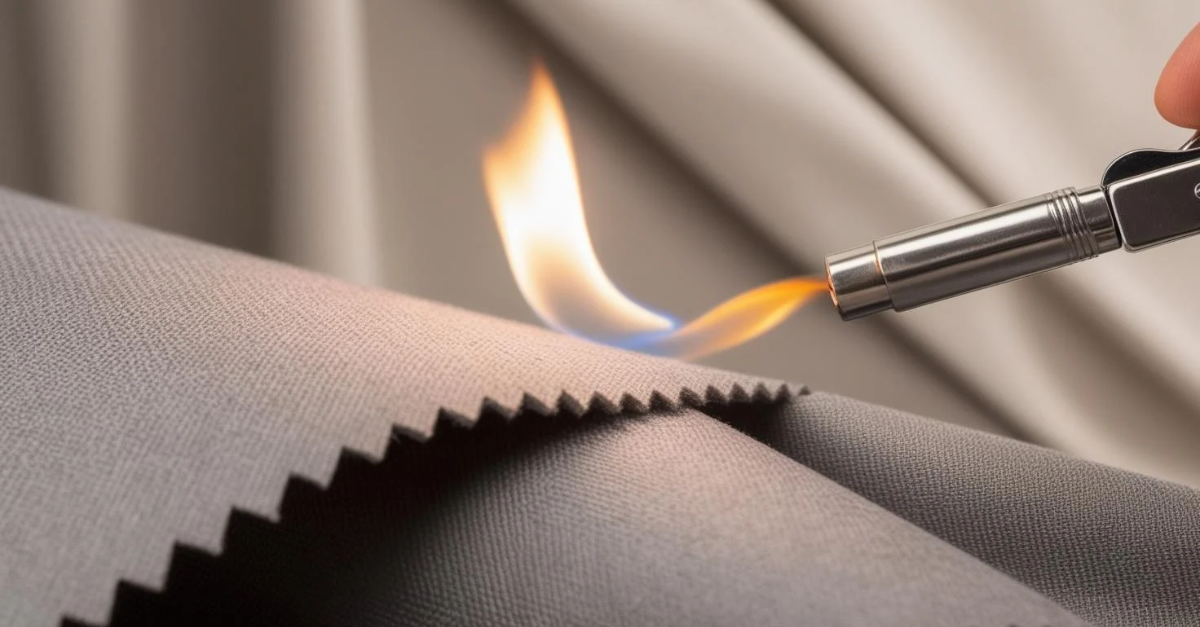
In modern industry, ensuring robust fire safety measures is paramount. Brominated flame retardants (BFRs) have emerged as vital compounds in reducing the flammability of a range of materials. Thereby, protecting lives and assets. This article explores what brominated flame retardants are, examines how they work and highlights their various applications., and Also, it will consider their effects on both the environment and human health. Finally, we look at emerging trends that may shape the future of fire safety technology.
What are brominated flame retardants?
Brominated flame retardants are a group of chemical additives that are incorporated into many consumer products and industrial materials to delay or inhibit the spread of fire. By introducing bromine atoms into the chemical structure of a material, these compounds disrupt the combustion process. Thereby, reducing both the likelihood of ignition and the intensity of any resulting fire. Found in a diverse array of applications (from electronics and textiles to construction materials and furnishings) BFRs have long been valued for their effectiveness in enhancing fire safety standards.
| Brominated FR | Typical Use | Status in UK/EU | Notes |
| PBDEs | Electronics, foams | Banned (POPs) | Persistent, bioaccumulative |
| HBCDD | Polystyrene insulation | Banned (POPs) | High environmental concern |
| TBBPA | PCBs | Allowed with restrictions | Lower risk when polymer-bound |
However, their widespread use has also prompted concerns over their environmental persistence and potential adverse effects on health. Issues which continue to drive research and regulatory developments.
Brominated flame retardants examples
Common examples of brominated flame retardants include polybrominated diphenyl ethers (PBDEs) and tetrabromobisphenol A (TBBPA). PBDEs were once ubiquitous in a variety of products, particularly in the electronics and furniture industries. Though their production has been phased out in many regions due to environmental and health concerns.
TBBPA, in contrast, remains widely used in the production of printed circuit boards and other electronic components. These examples illustrate not only the versatility of BFRs but also the evolving landscape of fire retardant technology. Nowadays, manufacturers seek to balance efficacy with emerging safety and environmental standards.
How do brominated flame retardants work?
Mechanism of action
The effectiveness of brominated flame retardants is primarily attributed to their ability to interfere with the combustion process at a molecular level. When a material treated with BFRs is exposed to heat, the bromine atoms are released as free radicals. These bromine radicals interact with the free radicals generated during combustion. This effectively terminates the chain reactions that sustain the flame. Additionally, some BFRs promote the formation of a protective char layer on the surface of the material, which further inhibits the progress of a fire. This dual action (disrupting free radical propagation and aiding char formation) ensures that the material remains resistant to ignition. Thereby, buying precious time for fire detection and suppression systems to engage.
Applications in fire safety
Brominated flame retardants are employed across a myriad of applications where enhanced fire resistance is essential. In the electronics sector, for example, BFRs are added to circuit boards and wiring insulation to prevent rapid fire spread in densely populated assemblies. The construction industry also benefits from these compounds; plastics, textiles, and other materials used in building interiors are frequently treated with BFRs to meet stringent fire safety regulations.
Furthermore, in the automotive industry, interior components often incorporate these retardants to comply with safety standards designed to protect passengers in the event of a fire. Through such diverse applications, BFRs play an indispensable role in modern fire safety engineering.
UK and EU regulation of BFRs (REACH, RoHS, POPs)
Brominated flame retardants (BFRs) are subject to some of the strictest chemical controls in the UK and EU due to their persistence, bioaccumulation potential and environmental impact. In the UK, the regulatory framework affecting BFRs is mainly structured around UK REACH, UK RoHS and POPs legislation, with additional implications under WEEE for end-of-life products. Understanding how these regimes interact is essential for manufacturers, importers, distributors and recyclers placing products on the UK market.
UK REACH restrictions on PBDEs and HBCDD
Under UK REACH, the most relevant restriction for BFRs concerns polybrominated diphenyl ethers (PBDEs), in particular decaBDE. DecaBDE is subject to a restriction that prohibits its manufacture and placing on the market as a substance on its own, as well as its use in mixtures or articles at concentrations equal to or greater than 0.1% by weight. This restriction has applied since 2 March 2019, with limited and clearly defined exemptions.
It is important to note that this REACH restriction does not apply to electrical and electronic equipment (EEE) that falls within the scope of RoHS, as PBDEs are already regulated under that regime.
Hexabromocyclododecane (HBCDD) is not primarily controlled through a standard UK REACH restriction. Instead, it is regulated as a persistent organic pollutant (POP). As a result, compliance obligations are more stringent and focus on whether articles containing HBCDD can be placed on the market at all, rather than on concentration-based use restrictions alone.
UK enforcement of the POPs Regulation after Brexit
Following Brexit, the UK retained and adapted the POPs regulatory framework through domestic legislation. In Great Britain, POPs controls are now enforced via UK statutory instruments that amend and update the retained EU POPs Regulation.
The Persistent Organic Pollutants (Amendment) Regulations 2025 significantly reinforced enforcement by expanding the scope of offences related to the manufacture, placing on the market, use, stockpiling and waste management of POPs, including several legacy BFRs such as PBDEs and HBCDD.
A key regulatory distinction remains between Great Britain and Northern Ireland. Under the Windsor Framework, Northern Ireland continues to align with the EU POPs Regulation, meaning that businesses placing products on both GB and NI markets must ensure compliance with two closely related—but not always identical—regulatory regimes.
UK RoHS limits for BFRs in electrical & electronic equipment
For electrical and electronic equipment, UK RoHS is the primary regulation governing BFR use. Under UK RoHS, the following substances are restricted in EEE placed on the UK market:
- Polybrominated biphenyls (PBB): maximum 0.1%
- Polybrominated diphenyl ethers (PBDE): maximum 0.1%
These limits apply to each homogeneous material within the product. Manufacturers and importers must ensure conformity through technical documentation, declarations of conformity and, where required, product testing.
In practice, this means that for electronic products, RoHS compliance is the first regulatory checkpoint for BFRs, while REACH and POPs considerations become more relevant for non-EEE articles, recycled materials and waste streams.
WEEE considerations for disposal and recycling
When products reach end of life, WEEE legislation becomes a critical compliance layer—particularly for BFR-containing plastics. While WEEE aims to promote reuse and recycling, the presence of POPs-listed BFRs introduces additional constraints.
Legacy plastics from WEEE can contain PBDEs or HBCDD, and improper recycling of these materials can result in the reintroduction of restricted substances into new products. To address this risk, UK POPs legislation sets concentration thresholds above which waste must be treated as POPs waste, requiring specialised handling and disposal rather than standard recycling.
In Great Britain, recent amendments lowered the threshold for PBDE-containing waste to 500 mg/kg, significantly increasing the compliance burden for recyclers and manufacturers using recycled polymers. This makes traceability, supplier due diligence and material testing essential when recycled plastics are incorporated into new articles.
Summary of which BFRs are banned, restricted or authorised
From a UK compliance perspective, BFRs can be broadly categorised as follows:
Banned or effectively prohibited
- HBCDD: prohibited under POPs legislation, with only very limited allowances for unintentional trace contamination and specific applications involving recycled polystyrene insulation.
- Legacy PBDEs: subject to strict POPs controls, particularly at the waste stage, where exceeding concentration thresholds triggers POPs waste obligations.
Restricted
- DecaBDE (PBDE): restricted under UK REACH to less than 0.1% by weight in mixtures and articles, with specific exemptions and a clear separation from RoHS-controlled EEE.
- PBB and PBDE in EEE: restricted under UK RoHS to a maximum of 0.1% in homogeneous materials.
Not generally banned (but regulated)
- Certain modern BFRs are not specifically prohibited under UK REACH, RoHS or POPs legislation, but remain subject to general chemical safety, classification, supply-chain communication and product compliance obligations.
REACH vs RoHS vs POPs vs WEEE (summary table)
| Regulation | Scope | Key BFRs covered | Main restriction | Practical impact |
| UK REACH | Chemicals, mixtures and articles placed on the UK market (non-EEE) | PBDEs (incl. decaBDE) | Use and placing on the market restricted above 0.1% w/w in articles and mixtures (with limited exemptions) | Requires supplier declarations and substance tracking in products and materials |
| UK RoHS | Electrical & electronic equipment (EEE) | PBB, PBDE | Maximum 0.1% in each homogeneous material | Mandatory compliance for electronics; testing and technical documentation required |
| UK POPs | Persistent organic pollutants in products and waste | HBCDD, legacy PBDEs | Placing on the market generally prohibited; strict trace limits only | Can block market access and strongly affects recycling and end-of-life handling |
| WEEE | End-of-life EEE, collection and recycling | PBDEs, HBCDD (in plastics) | Waste above POPs thresholds must be treated as POPs waste | Limits recycling options and increases disposal and compliance costs |
What are brominated flame retardants used for?
How do they improve fire safety?
The primary function of brominated flame retardants is to enhance the fire resistance of materials. Thereby, improving overall safety in environments where rapid fire spread could have disastrous consequences. By delaying the onset of ignition and reducing the rate at which flames develop, BFRs contribute significantly to increasing the available reaction time in emergency situations. This delay is critical, as it allows for the safe evacuation of occupants and the effective operation of fire suppression systems.
In settings such as residential buildings, commercial premises, and public transport vehicles, the integration of BFRs into everyday products has demonstrably reduced both the frequency and severity of fire incidents, ultimately contributing to a safer built environment.
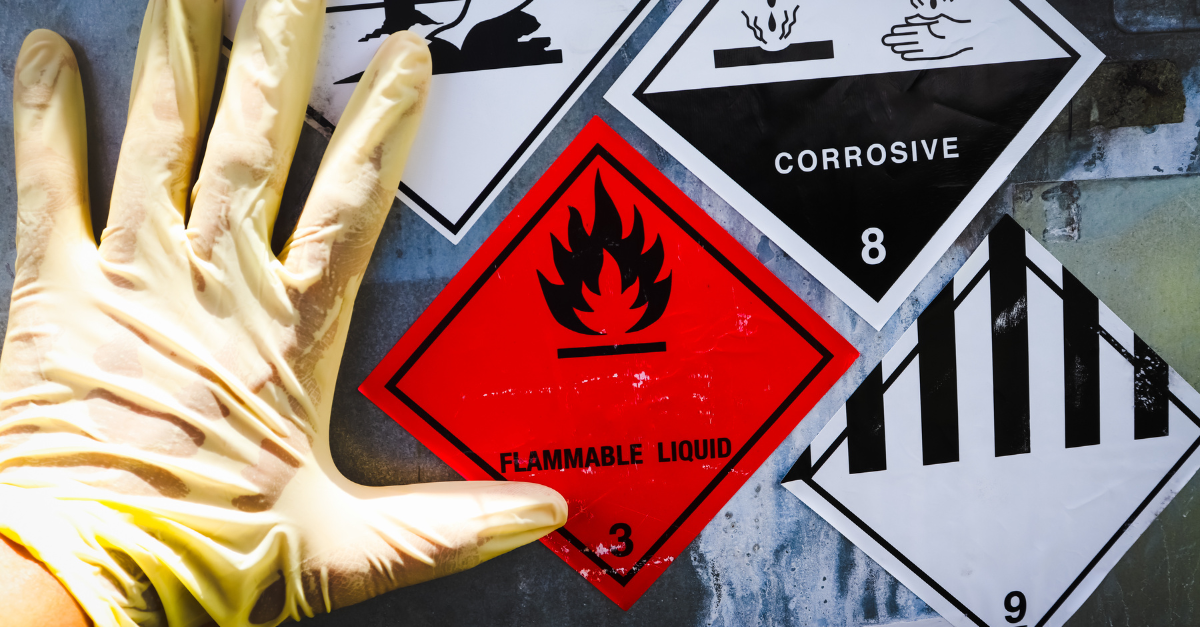
Brominated flame retardants effects
BFRS effects on the environment
While the fire safety benefits of brominated flame retardants are clear, their use has raised concerns regarding environmental impact. Many BFRs are classified as persistent organic pollutants. This means they do not readily degrade in natural ecosystems. As a result, they can accumulate in soil, water, and living organisms. Therefore, they can potentially disrupt local ecosystems and wildlife.
The long-term environmental persistence of these chemicals has prompted regulatory agencies to impose tighter restrictions. Also, it encourages the development of safer alternatives. Research is currently focused on identifying new compounds that maintain fire safety efficacy while offering a reduced environmental footprint. Balancing the imperative for effective fire retardation with ecological sustainability remains a significant challenge for both industry and regulators.
BFRS effects on the health effects
There is also growing concern about the potential health risks associated with exposure to brominated flame retardants. Some studies suggest that certain BFRs may act as endocrine disruptors. In other words, they can interfere with normal hormonal functions and possibly lead to developmental or reproductive issues.
Although the concentrations typically encountered by the general public are generally low, cumulative exposure (especially in occupational settings or through the breakdown of consumer products) has raised important questions about long-term health impacts. As a result, ongoing research and tighter safety standards are being implemented to ensure that the benefits of fire safety do not come at an unacceptable cost to human health. Industry stakeholders continue to monitor scientific findings and regulatory updates to mitigate any potential risks associated with BFR exposure.
Alternatives to brominated flame retardants
As regulatory pressure on brominated flame retardants continues to increase in the UK and EU, many manufacturers are actively shifting towards safer and more sustainable fire-safety solutions. Alternatives to BFRs aim to deliver effective flame retardancy while reducing environmental persistence, toxicity and end-of-life compliance risks.
Common alternatives include phosphorus-based flame retardants, nitrogen-based systems and mineral flame retardants such as aluminium hydroxide or magnesium hydroxide. In some applications, material substitution and design optimisation—for example using inherently flame-resistant polymers or redesigning components to reduce ignition risk—can eliminate the need for chemical flame retardants altogether.
Beyond regulatory compliance, adopting non-halogenated alternatives can simplify RoHS, REACH, POPs and WEEE obligations, improve recyclability and support corporate sustainability goals, making BFR substitution both a compliance strategy and a competitive advantage.
The future of brominated flame retardants
Looking ahead, the future of brominated flame retardants is likely to be shaped by an increased emphasis on sustainability alongside fire safety. Manufacturers and researchers are actively seeking new formulations that deliver the robust fire-retardant performance of traditional BFRs. Minimising both environmental persistence and health risks. This pursuit involves developing of novel compounds that are less toxic and more degradable. Furthermore, it also improves recycling and waste management processes to reduce environmental contamination.
Advances in material science may eventually lead to entirely new strategies for fire safety that reduce or even eliminate the need for chemical additives. As the dialogue between scientists, regulators, and industry continues, the next generation of flame retardants is expected to offer safer, more environmentally friendly alternatives that meet the ever-evolving demands of modern fire safety standards.
In conclusion, brominated flame retardants have been instrumental in advancing fire safety across a wide spectrum of industries. Their ability to delay ignition and slow the spread of flames has saved lives and property. At the same time, their integration into everyday materials underscores their importance in modern safety protocols.
Nevertheless, the environmental and health concerns associated with these chemicals necessitate a careful re-evaluation of their use and ongoing investment in safer alternatives. At Dabedan, we remain committed to staying at the forefront of these developments, ensuring that fire safety continues to advance in tandem with our responsibility to protect both people and the planet. Moreover, Dabedan’s fabrics are 100% safe and are manufactured from inherently flame-retardant materials. With the Oeko-Tex certification, our products not only meet rigorous fire safety standards but are also environmentally friendly and beneficial for people.
FAQs
Are brominated flame retardants banned in the UK?
Not all BFRs are banned in the UK, but several are strictly restricted or prohibited. Legacy BFRs such as PBDEs and HBCDD are controlled under UK REACH, UK RoHS and POPs legislation, with bans or very low concentration limits depending on the product type and lifecycle stage.
What products contain BFRs?
BFRs are commonly found in electrical and electronic equipment, plastics, insulation materials, textiles and some construction products, where they are used to reduce fire risk.
Are brominated flame retardants toxic?
Some BFRs are associated with environmental persistence, bioaccumulation and potential adverse health effects, which is why they are subject to increasing regulatory scrutiny and restrictions in the UK and EU.
What is the difference between PBDE and TBBPA?
PBDEs are a group of BFRs that are heavily restricted or banned due to their persistence and toxicity, while TBBPA is a different BFR that is still permitted in certain applications and is regulated rather than broadly prohibited.
Are there safer alternatives to brominated flame retardants?
Yes. Many manufacturers now use non-halogenated alternatives, such as phosphorus-based or mineral flame retardants, or redesign products to achieve fire safety without relying on BFRs.
Follow us:

Subscribe to our newsletter
Receive all communications in your email to stay up to date with our news, as well as news and advice about the sector.
Latest published articles


Do you need advice?
We collaborate with you to develop custom designs tailored to the needs of each project, creating the fabric according to aesthetic, quality, or usage requirements.
Get in touch with us, and we will advise you on our products, or request a free sample.
